
Deep cut
Monday, October 26, 2026
The Ryerss mansion - how a housekeeper gave Burholme Park a museum "free to the people forever"
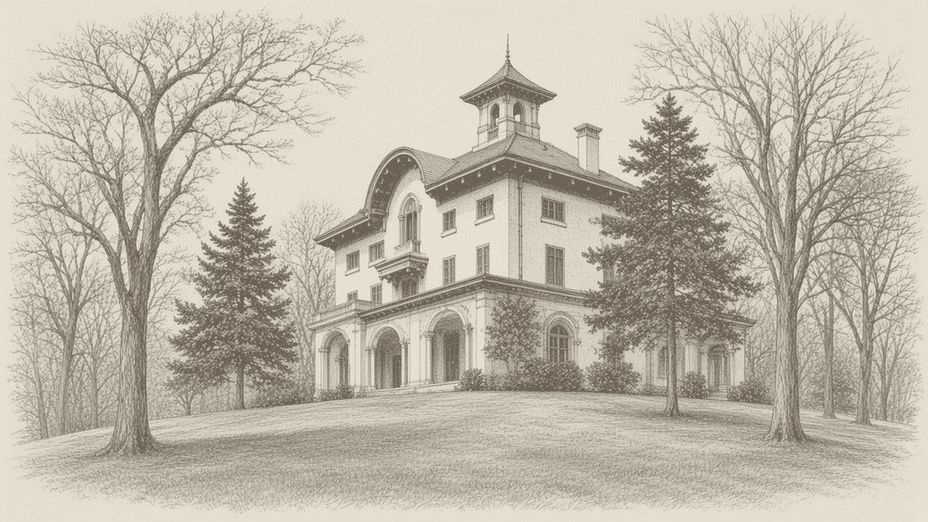
I must have driven past Burholme Park a hundred times before I went up the hill. Most people I know have done the same.
I must have driven past Burholme Park a hundred times before I went up the hill. Most people I know have done the same. They've hit the driving range or the mini golf, or they've sat at the light at Cottman and Central, and never once gone inside the big house at the top. That's a shame, because the Ryerss Museum & Library is free, it's open every weekend, and the reason it belongs to all of us is one of the best stories in the Northeast.
A summer house on the hill
The Ryerss mansion started as a summer place. Joseph Waln Ryerss, a merchant in the overseas trade and president of the Tioga Railroad, built it in 1859 on 85 acres and called it Burholme. According to family tradition, the name means "home in a wooded setting." Both the museum and a 2017 Hidden City Philadelphia history give the same year and acreage.
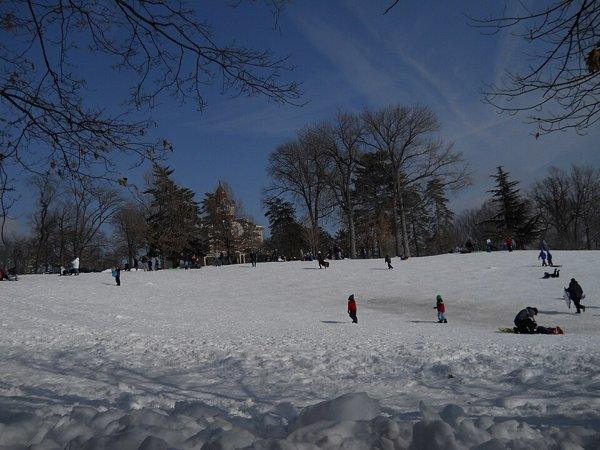
Hidden City adds a detail I love. Joseph put the house on the highest hill in what was then the far northeastern reaches of Philadelphia County, and from the cupola, on a clear day, you can see Center City. The mansion still sits up there today, just south of Jeanes Hospital, at the top of the park.

When Joseph died in 1868, his second wife Anne and his son Robert moved into Burholme full time. Robert had a law degree from Penn and, by both accounts, never practiced. He preferred to travel, and he kept filling the Ryerss mansion with what he brought home.
The marriage that shocked everybody
Here's the part everyone remembers. Eight months before he died, Robert Ryerss married his longtime housekeeper, Mary Ann Reed, and shocked Philadelphia society. The museum puts his age at 65. Hidden City says it was 1896 and that she had kept his house for 27 years.
Robert had no children. He left Mary Ann a comfortable annuity and the right to live at Burholme for the rest of her life. After her, his will said, the estate would go to the City of Philadelphia as a park, a library and a museum, "free to the people forever." He also set aside money for new books and for keeping up the house and grounds.
Mary Ann's second act
Three years after Robert died, Mary Ann married the Rev. John G. Bawn, a local Episcopal minister. Then she did something the will didn't ask her to do. She didn't wait to die. In 1905 she turned the Ryerss mansion and its grounds over to the city herself and moved with her new husband to a smaller house nearby. The Ryerss Museum & Library opened to the public in 1910. Hidden City gives the exact date as May 14, 1910.
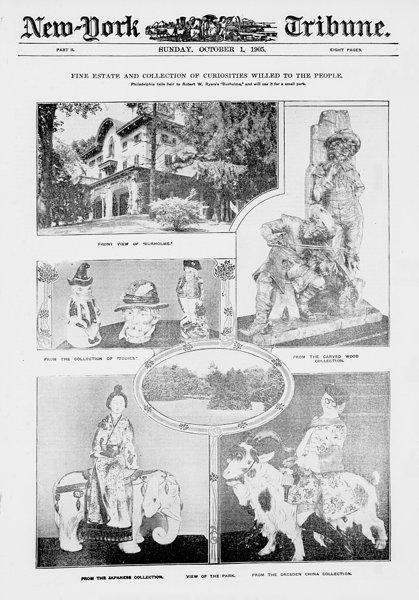
Mary Ann and her husband kept the family habit going. They traveled the world and collected art and objects from China, Japan, India and elsewhere, and all of it was headed for Burholme. Mary Ann died in China in 1916 on one of those trips. When Rev. Bawn came home, he realized her collection would never fit in the house, so he asked the city to build an addition. The rear galleries opened in 1923. That's why the back of the Ryerss mansion feels like a different building when you walk in. It is one, and it exists because Mary Ann shopped like she meant it.
A family that loved animals
The Ryerss family loved animals, and you can still see it on the grounds. Some of the family's pets are buried under a tree beside the mansion, with their own headstones, and that little pet cemetery is still there. The museum says the family helped found Philadelphia's Society for the Prevention of Cruelty to Animals and the Ryerss Farm for Aged and Ill Equines, a retirement home for horses that's now near Pottstown. Hidden City says Robert was the Pennsylvania SPCA's first president, and that a portrait of Old Grey, the family's favorite horse, hangs in the library.
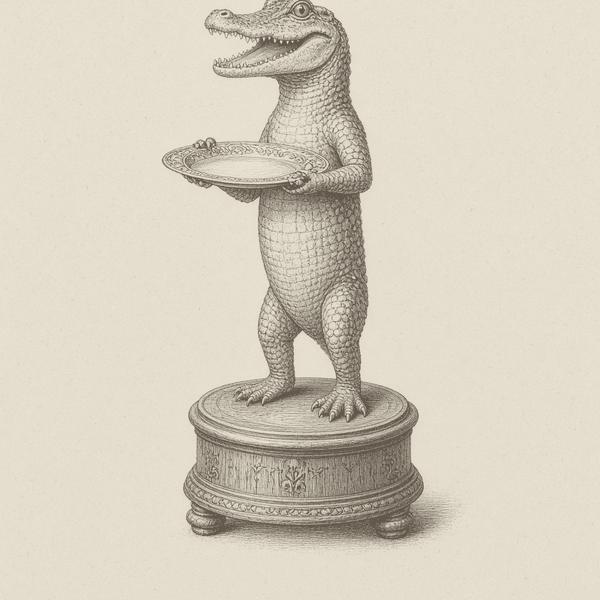
Then there's Snapper. In 2017 Hidden City described the museum's mascot as a stuffed American alligator calling-card holder named Snapper, standing at attention in the dining room. I can't promise he's still on duty, so ask at the desk. I'm going to be disappointed if he isn't.
The library upstairs
The "Library" in the name is real. The Ryerss Library is an independent lending library, separate from the Free Library, and it's been serving the neighborhood since 1910. Area residents can get a free membership and borrow books for three weeks. Hidden City says the second-floor bedroom walls came out to make room for it, so you're browsing best sellers in what used to be the family's bedrooms.
The Friends of Ryerss also run a used book sale in the basement on the first Saturday of the month, from 11 to 3, per the museum's events page. The museum asks people to call and confirm monthly events, so check before you go.
Going up the hill
The Ryerss mansion has been sitting on that hill since 1859, and it's been ours since 1905 because a housekeeper decided not to wait. If you've only ever seen it from Cottman Avenue, this is the weekend to walk up.
- Where: Ryerss Museum & Library, 7370 Central Ave (19111), in the northeast corner of Burholme Park, just south of Jeanes Hospital.
- Hours: Friday, Saturday and Sunday, 10am to 4pm.
- Cost: free. Donations are welcome.
- Parking: there's a free lot behind the building.
- Train and bus: the museum's visit page points to Ryers Station on SEPTA's Fox Chase Line, about three blocks away, and the Route 70 bus to Cottman and Central. SEPTA has been reworking its bus routes, so check the trip planner.
- Access: there's a ramp entrance at the back by the parking lot and an elevator to every public floor.
- Phone: 215-685-0544.
The short version
In 1859 a merchant built a summer house on the highest hill around and called it Burholme. His son married the housekeeper late in life and willed the place to the city "free to the people forever," and Mary Ann handed it over early, in 1905. It's still free, Friday through Sunday, with a lending library upstairs and the family pets buried out front.